

Retail companies are raising concerns that prolonged conflict in the Middle East could lead to higher prices for consumers worldwide.
As tensions involving Iran continue, rising energy costs and supply chain disruptions are already beginning to impact operating expenses, with retailers warning that sustained instability may force them to pass these costs on to shoppers.
Rising costs are already hitting retailers
Retailers are starting to feel the financial impact of the conflict, particularly through increased fuel and logistics costs.
British retailer Next plc has estimated that the ongoing disruption could add around £15 million in additional expenses over a three-month period.
These costs are primarily tied to higher air freight rates and fuel prices, both of which are directly affected by geopolitical instability.
Price increases may follow prolonged conflict
While some companies are currently absorbing these higher costs, they have made it clear that this approach may not last.
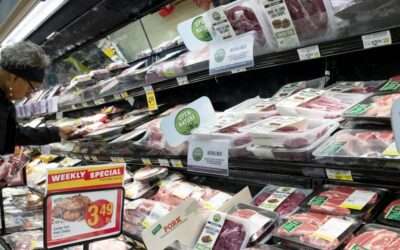
If the conflict continues beyond the short term, retailers are likely to begin passing increased expenses onto consumers through higher prices.
This means shoppers could soon feel the effects of the retail price hikes Iran war scenario in everyday purchases.
Oil prices driving broader inflation risks
One of the biggest drivers behind rising costs is the surge in oil and gas prices.
The conflict has disrupted key shipping routes, including the Strait of Hormuz, which plays a critical role in global energy supply.
Higher energy prices are not limited to fuel alone—they ripple across transportation, manufacturing, and overall production costs.
Supply chains face growing disruption
Beyond energy costs, supply chains are also under pressure due to the conflict.
Delays, rerouted shipments, and increased shipping expenses are creating additional challenges for retailers trying to maintain stable inventory levels.
These disruptions can lead to inefficiencies that ultimately raise the cost of delivering goods to consumers.
Consumer demand could weaken further
Retailers are also concerned about how rising prices may affect consumer behavior.
With inflation already high in many regions, shoppers are becoming more cautious with their spending.
This is particularly true for discretionary items such as clothing and accessories, which are often the first to see reduced demand during economic uncertainty.
Discretionary retailers face the biggest risk
Companies that rely heavily on non-essential purchases are expected to be the most affected.
Analysts have noted that discretionary-focused brands are more vulnerable because consumers tend to cut back on these items when budgets tighten.
This creates a double challenge of rising costs and declining demand.
H&M signals cautious outlook
Swedish fashion retailer H&M has also acknowledged the potential impact of ongoing geopolitical tensions.
While the company currently sees limited changes in consumer behavior, it has warned that extended instability could lead to additional cost pressures.
The company is closely monitoring how energy prices and inflation trends evolve in the coming months.
Inflation pressures remain a key concern
The broader economic environment is already dealing with elevated inflation levels, even before the conflict intensified.
Additional cost pressures from energy and logistics could push inflation even higher, complicating efforts by central banks to stabilize prices.
This creates uncertainty for both businesses and consumers navigating an already challenging economic landscape.
Retailers adjusting strategies to stay competitive
To manage these challenges, companies are exploring ways to offset rising costs without immediately raising prices.
Some retailers are focusing on improving operational efficiency, optimizing supply chains, and adjusting pricing strategies to remain competitive.
These efforts may help delay price increases, but they are unlikely to fully eliminate the pressure if the conflict persists.
Outlook depends on duration of conflict
The long-term impact of the situation largely depends on how long the conflict continues.
If tensions ease in the near future, retailers may be able to stabilize costs and avoid significant price increases.
However, a prolonged conflict could intensify the retail price hikes Iran war effect, leading to higher prices, weaker demand, and broader economic challenges.
A fragile balance for global retail
Retailers are currently navigating a delicate balance between maintaining profitability and keeping prices affordable for consumers.
The coming months will be critical in determining whether businesses can absorb rising costs or if shoppers will begin to feel the impact more directly.
As the situation unfolds, both companies and consumers will need to adapt to a rapidly changing economic environment.
0 Comments