
Financial markets are beginning to show patterns that resemble the early stages of the 2008 financial crisis, according to analysts at Bank of America.
Rising oil prices, combined with growing stress in credit markets, are creating conditions that echo a period many investors remember as the start of a major downturn.
Oil price surge mirrors pre-2008 trends
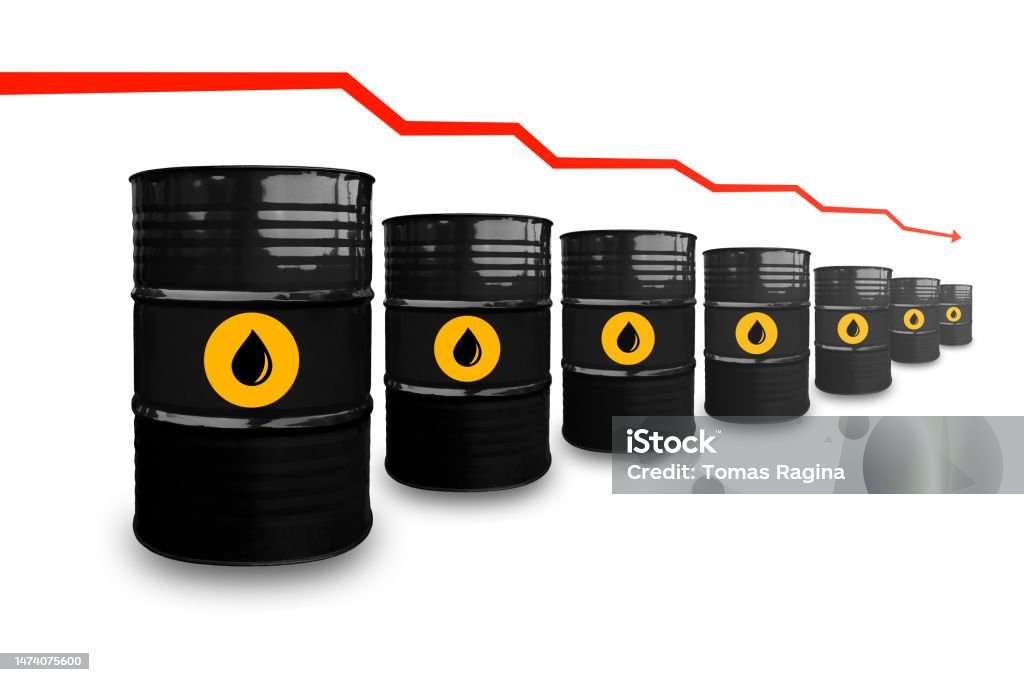
One of the clearest parallels is the rapid increase in oil prices. In the lead-up to the 2008 crisis, oil prices doubled from around $70 to $140 per barrel within a year.
Today, a similar trend is unfolding. The conflict involving Iran has pushed oil prices sharply higher, with gains exceeding 60 percent so far this year.
This kind of rapid increase can place significant pressure on both consumers and businesses, raising costs across the economy.
Credit market concerns are growing
Beyond oil, analysts are closely watching developments in private credit markets. These areas are beginning to show signs of stress, including increased fund withdrawals and concerns about lending standards.
Private credit has grown significantly in recent years, making it an important part of the financial system. However, it is also less transparent than traditional banking, which can amplify risks during periods of market stress.
Similar concerns about credit quality played a major role in the events leading up to the 2008 crisis.
Risk of stagflation adds to uncertainty
The combination of rising prices and slowing growth has raised fears of stagflation. This economic condition occurs when inflation remains high while economic activity weakens.
Higher energy costs are contributing to inflation, while tighter financial conditions are weighing on growth.
This creates a difficult environment for policymakers, who must decide whether to prioritize controlling inflation or supporting economic activity.
Central banks face policy risks
Central banks are once again at the center of the discussion. Decisions on interest rates could have significant consequences for the global economy.
In 2008, the European Central Bank raised interest rates just as oil prices peaked. This move is widely viewed as a policy mistake, as it was followed by a rapid deterioration in financial conditions.
Today, policymakers face a similar dilemma. Raising rates could help control inflation but may also increase pressure on already fragile markets.
Investor optimism may be masking risks
Despite these warning signs, many investors remain optimistic. Market positioning suggests that participants expect the conflict to be short-lived and the issues in credit markets to remain contained.
There is also a belief that central banks will step in to support markets if conditions worsen. This expectation has helped sustain bullish sentiment even as risks increase.
However, history shows that such assumptions can be challenged quickly during periods of financial stress.
Earnings risk could outweigh inflation concerns
According to analysts, the biggest risk to markets may not be inflation itself but its impact on corporate earnings.
Higher costs for energy and financing can reduce profit margins, especially for companies with limited pricing power.
As earnings expectations adjust, stock valuations could come under pressure. This dynamic often plays a key role in market downturns.
Market indicators point to rising tension
Several indicators suggest that financial conditions are tightening. Government bond yields are rising, and currency markets are showing signs of strength in the U.S. dollar.
At the same time, equity markets remain near elevated levels, creating a disconnect between risk factors and asset prices.
This combination of factors has led some analysts to warn that markets may be underestimating potential risks.
A cautious outlook for investors
The markets resemble 2008 oil prices 2026 comparison does not guarantee a repeat of the financial crisis. However, it highlights how certain conditions are aligning in ways that deserve attention.
Rising energy costs, credit market stress, and policy uncertainty are all contributing to a more fragile environment.
For investors, this may be a time to reassess risk exposure and remain cautious as the situation evolves.


0 Comments