
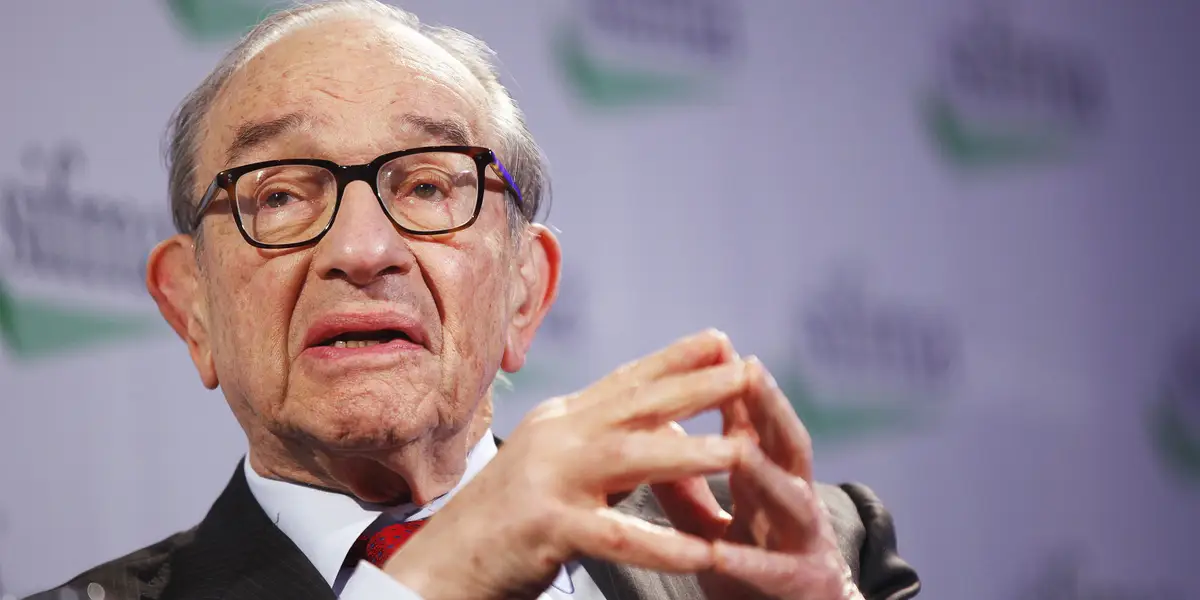
Former Federal Reserve Chair Alan Greenspan has joined a widening group of economists and investors warning that inflation could become a defining challenge for the global economy.
The Alan Greenspan inflation warning arrives at a time when policymakers remain divided over whether rising prices pose a long-term threat or simply reflect temporary disruptions.
Recent market volatility and shifting monetary policy expectations have fueled debate about the future direction of inflation.
While central banks continue to balance economic growth with price stability, some prominent voices believe current fiscal and monetary strategies could lead to prolonged inflationary pressures.
Rising Inflation Concerns Resurface
Greenspan’s remarks highlight worries that expanding government deficits and aggressive stimulus measures may strain the financial system.
According to the former Fed chair, growing entitlement spending and long-term budget imbalances could crowd out private investment, limiting productivity gains while increasing inflation risks.
His comments come amid data showing consumer prices edging higher, reinforcing fears that inflation could accelerate if demand remains strong.
Economists note that even modest increases in consumer price indexes can influence investor sentiment, especially when paired with loose monetary policy.
Greenspan has previously warned about the possibility of stagflation, a period characterized by slow economic growth combined with high inflation. The concept, once considered unlikely, gained renewed attention as policymakers signaled a willingness to allow inflation to exceed traditional targets in order to support employment and economic recovery.
Stimulus Policies Under Scrutiny
The economic environment surrounding Greenspan’s warning reflects one of the most aggressive periods of fiscal and monetary expansion in modern history.
Massive government spending programs and unprecedented central bank interventions have been deployed to stabilize markets and prevent economic contraction.
Supporters of these policies argue that strong stimulus measures helped prevent deeper financial crises. Critics, however, say the scale of spending could create lasting consequences for inflation and currency stability.
Some analysts believe that large deficits, combined with ultra-low interest rates, may lead investors to reassess the long-term value of traditional assets.
The debate over inflation has intensified as policymakers across major economies continue to pursue accommodative strategies. Central banks have indicated they may tolerate higher price growth to ensure economic momentum, but that approach has sparked disagreement among economists who fear inflation expectations could become entrenched.
Investors Warn of Asset Bubbles
Greenspan is not alone in raising concerns. Several high-profile investors have also cautioned that current policy conditions may be inflating asset prices beyond sustainable levels. Hedge fund manager Stanley Druckenmiller has warned that unprecedented coordination between fiscal authorities and central banks could lead to significant market distortions.
According to Druckenmiller, prolonged stimulus may encourage excessive risk-taking, fueling rapid gains in equities and other financial assets. Some analysts argue that such conditions resemble past periods that preceded major corrections.
Others have highlighted the possibility of a weakening dollar if inflation accelerates. Currency fluctuations often accompany periods of economic uncertainty, and some investors believe rising prices could undermine confidence in traditional safe-haven assets.
Policy Divide Within Economic Leadership
The Alan Greenspan inflation warning also underscores a broader divide among economic leaders. Current Federal Reserve officials have emphasized the importance of preventing deflation and supporting employment, suggesting that moderate inflation could be beneficial for economic recovery.
Greenspan’s perspective contrasts with this view, as he believes long-term structural issues tied to government spending could drive sustained inflation. The debate illustrates the challenges facing policymakers as they attempt to navigate competing economic risks.
Historical comparisons to the late 1970s have resurfaced in discussions about inflation. During that period, high interest rates were used to combat soaring prices, ultimately slowing economic growth but stabilizing the currency. Some economists believe similar measures may be necessary if inflation accelerates significantly in the coming years.
What It Means for Markets
For investors, the growing chorus of inflation warnings raises questions about portfolio strategy and risk management. Rising prices can impact everything from bond yields to equity valuations, influencing how capital flows across global markets.
While not all analysts agree that a surge in inflation is inevitable, the debate itself reflects the uncertain economic environment. Markets continue to react to shifting expectations around interest rates, fiscal policy, and geopolitical developments, making inflation forecasts a key factor shaping investment decisions.
The Alan Greenspan inflation warning serves as a reminder that economic outlooks remain deeply divided. As policymakers weigh stimulus measures against long-term stability, investors and businesses alike are watching closely for signs that inflation could become a defining issue in the years ahead.


0 Comments