
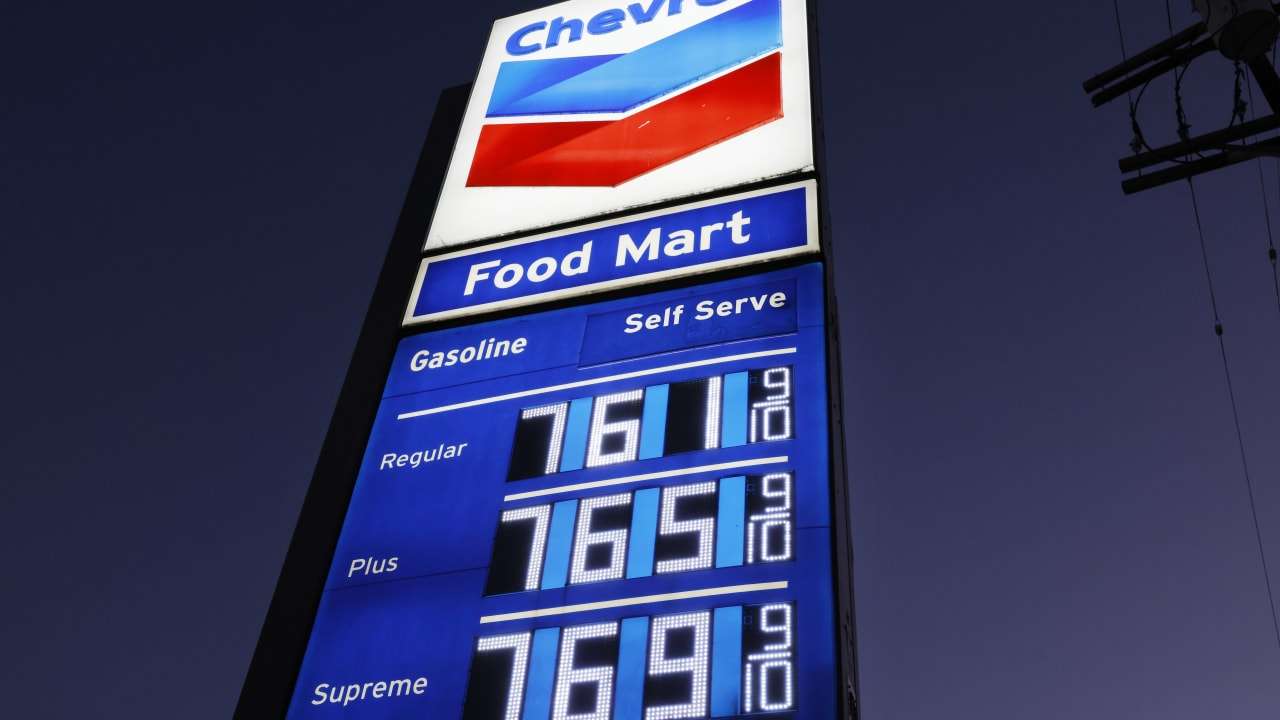
The Iran war economic impact in 2026 is becoming increasingly visible across the US economy, extending far beyond higher gas prices.
While fuel costs remain the most noticeable expense for consumers, the broader economic effects are now showing up in groceries, travel, utilities, and even healthcare.
Fuel prices lead the surge in costs
Gasoline prices have risen sharply since the conflict began, approaching $4 per gallon nationwide.
Diesel prices, which power much of the transportation network, have climbed even higher, increasing the cost of moving goods across the country.
This rise is directly tied to disruptions in global oil supply, particularly through the Strait of Hormuz, a critical shipping route.
Transportation costs ripple through the economy
Higher fuel prices are quickly translating into increased transportation costs for both businesses and consumers.
Shipping companies have introduced fuel surcharges, raising the cost of deliveries and logistics.
Ride-sharing services and airlines are also adjusting pricing to offset rising fuel expenses.
Grocery prices begin to climb
The iran war economic impact 2026 is also hitting grocery bills, as higher diesel costs raise the price of transporting food.
When fuel costs increase, retailers often pass those expenses on to consumers, especially for perishable goods.
This means shoppers may soon notice higher prices for everyday items like produce, dairy, and meat.
Fertilizer shortages threaten food supply
The situation is further complicated by disruptions in fertilizer supply chains.
A significant portion of global fertilizer exports passes through the Middle East, and current shipping disruptions are tightening availability.
Higher fertilizer costs could reduce crop production and drive food prices even higher later in the year.
Airlines face rising fuel expenses
Jet fuel prices have surged dramatically, becoming one of the largest cost pressures for airlines.
As a result, airfare is already rising, with summer travel costs significantly higher than last year.
This trend could continue if fuel prices remain elevated.
Pharmaceutical supply chains at risk
The war is also affecting pharmaceutical production, particularly through disruptions in petrochemical supplies used to manufacture drugs.
Many generic medications rely on supply chains connected to the Middle East.
Any prolonged disruption could lead to shortages or higher costs for essential medicines.
Electronics and technology costs may rise
The iran war economic impact 2026 extends to electronics as well, due to disruptions in materials like helium used in semiconductor production.
Without stable access to these resources, manufacturing costs for devices such as smartphones and laptops could increase.
These price increases may take longer to appear but could impact consumers later in the year.
Energy costs push utility bills higher
Natural gas markets are also feeling the effects of the conflict.
As global demand shifts and supply tightens, energy costs for electricity and heating may rise.
This adds another layer of financial pressure for households already dealing with higher prices.
Mortgage rates add to financial strain
Economic uncertainty and rising inflation expectations are also pushing mortgage rates higher.
Borrowing costs for homebuyers have increased, making housing less affordable for many Americans.
This shift could slow activity in the housing market.
Inflation expectations continue to rise
The combined effect of higher fuel, food, and energy costs is fueling broader inflation concerns.
Economists are now projecting inflation levels well above the Federal Reserve’s 2% target for 2026.
This could influence future monetary policy decisions and keep interest rates elevated.
Lower-income households feel the biggest impact
The iran war economic impact 2026 is not evenly distributed across consumers.
Lower-income households tend to spend a larger share of their income on essentials like fuel and food.
As prices rise, these households feel the financial strain more acutely.
The broader economic outlook remains uncertain
One month into the conflict, the full economic impact is still unfolding.
While some effects are immediate, others will continue to develop over time as supply chains adjust and businesses respond.
If the war persists, the pressure on prices and consumer spending is likely to intensify further.



0 Comments