
Oil prices declined as the United States increased pressure on allies to help secure shipping routes through the Strait of Hormuz, a critical passage for global energy supplies.
The pullback comes after weeks of sharp gains driven by the conflict involving Iran, which has disrupted tanker traffic and raised fears of supply shortages.
International benchmark Brent crude fell nearly 3 percent to close just above $100 per barrel, while U.S. West Texas Intermediate dropped more than 5 percent to around $93.
Oil Prices Retreat After Sharp Surge
Despite the decline, oil prices remain significantly higher than before the conflict began.
Prices have risen roughly 40 percent during the war, reaching levels not seen since 2022.
Last week, Brent crude surpassed $100 per barrel for the first time in four years as concerns over supply disruptions intensified.
The Strait of Hormuz typically carries about 20 percent of the world’s oil, making any disruption in the region a major driver of price volatility.
Trump Pressures Allies to Join Coalition
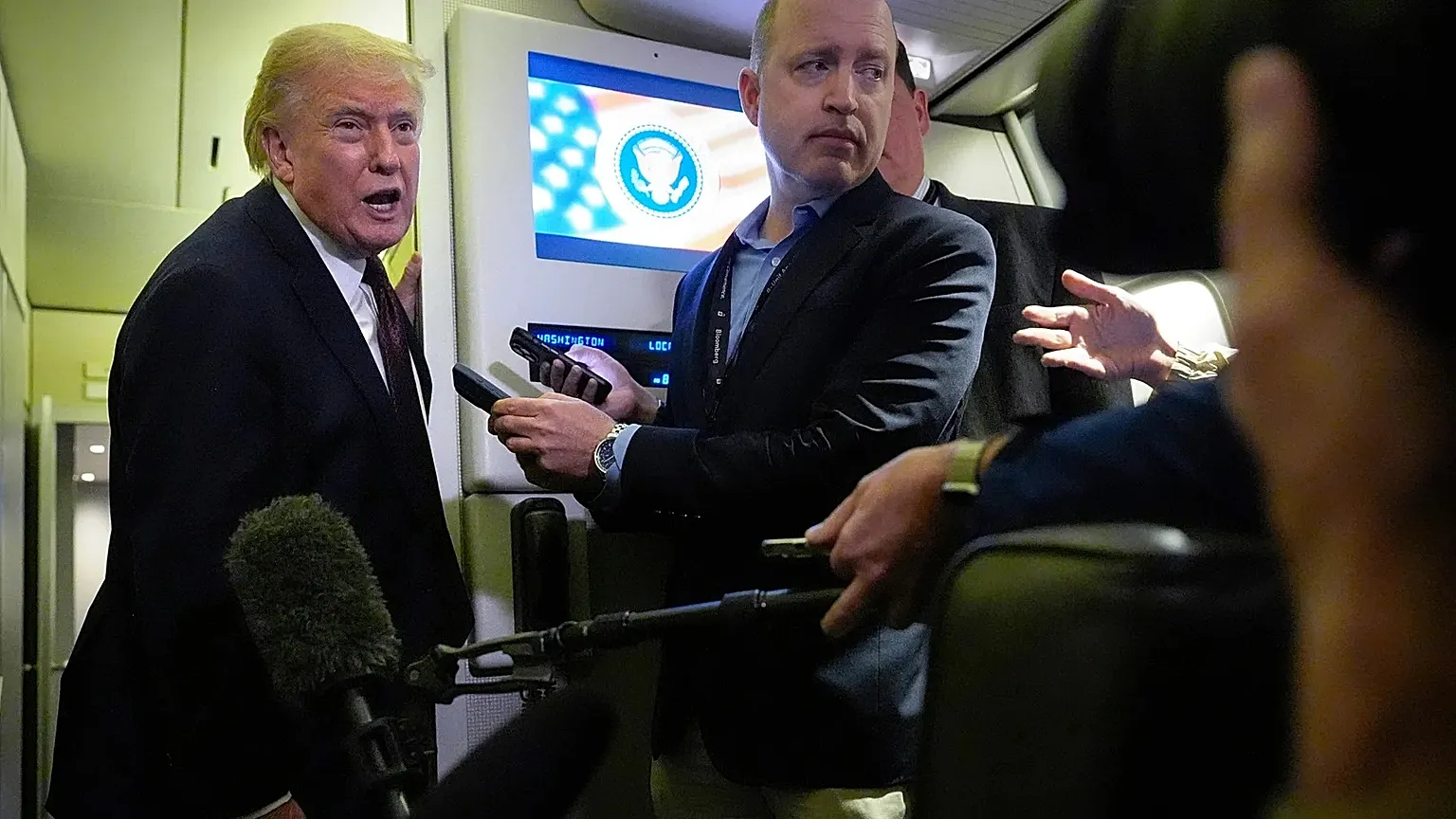
Donald Trump said the United States is working to form a coalition of countries to help protect oil tankers traveling through the strait.
He indicated that an announcement on participating nations could come soon.
However, Trump expressed frustration with allies that have been reluctant to join the effort.
“Some are very enthusiastic, and some are less than enthusiastic,” he said, adding that certain countries may refuse to participate despite longstanding U.S. support.
The proposed coalition would aim to escort tankers and ensure the safe flow of oil through one of the world’s most important energy routes.
U.S. Allows Iranian Tankers to Transit
Meanwhile, Scott Bessent said the United States is allowing Iranian oil tankers to pass through the strait.
The decision is intended to help maintain global oil supply and avoid further market disruption.
“The Iranian ships have been getting out already, and we’ve let that happen to supply the rest of the world,” Bessent said.
Data suggests that tanker traffic through the strait has dropped significantly, with only a small number of vessels passing each day.
Kharg Island Remains a Strategic Target
The situation has also drawn attention to Iran’s key oil export hub on Kharg Island.
U.S. officials said recent strikes targeted military infrastructure on the island while leaving oil facilities intact.
However, Trump warned that energy infrastructure could become a target if Iran continues to disrupt tanker traffic.
Mike Waltz echoed that message, saying the United States retains the option to escalate attacks if necessary.
Kharg Island handles the majority of Iran’s crude exports, making it a critical asset in the global oil market.
Risk of Escalation Remains High
Analysts warn that any direct strike on Iran’s oil export facilities could trigger significant retaliation.
According to JPMorgan, such a move could halt much of Iran’s crude exports and lead to further disruption in the Strait of Hormuz.
That scenario could push oil prices even higher and intensify volatility across global markets.
Emergency Oil Releases Aim to Stabilize Supply
In response to the disruption, more than 30 countries have agreed to release emergency oil reserves.
The coordinated effort is being led by the International Energy Agency.
The United States plans to release 172 million barrels from its Strategic Petroleum Reserve as part of the broader initiative.
Asian countries have already begun releasing supplies, while Europe and the Americas are expected to follow later in March.
Outlook Remains Uncertain
Chris Wright said there is no guarantee that oil prices will decline in the near term.
“There are no guarantees in wars,” he said, noting that the situation could worsen without efforts to secure energy supply routes.
While prices have eased slightly, the oil prices Strait of Hormuz situation remains highly sensitive to geopolitical developments and could shift quickly depending on how the conflict evolves.



0 Comments