
The conflict involving Iran is sending shockwaves through financial markets, prompting recession warnings, sharp stock declines, and a fresh debate about how investors should react.
Oil prices surged above $110 per barrel after comments from Donald Trump and Defense Secretary Pete Hegseth suggested the United States may remain engaged in the conflict until military objectives are achieved.
Although oil prices later fell back below $100, the surge highlighted the growing economic risks tied to the war. Rising energy prices remain one of the biggest threats to economic growth and financial markets.
Investors around the world are now trying to assess how long the conflict could last and how severely it might affect the global economy.
Oil Shock Sends Markets Lower
The biggest immediate impact of the war has been the sharp rise in energy prices.
Crude oil jumped more than 20 percent in a short period before retreating slightly. The surge triggered heavy selling in global equity markets.
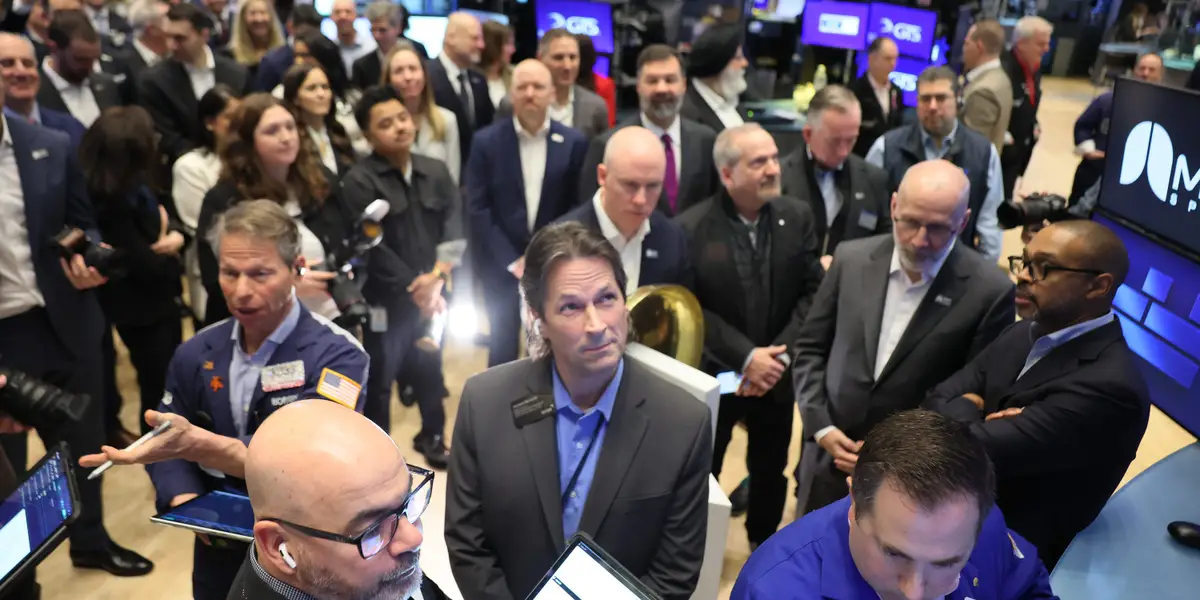
Major U.S. indexes including the Dow Jones Industrial Average, S&P 500, and Nasdaq Composite declined as investors reacted to the potential economic fallout.
Overseas markets were hit even harder. Japan’s Nikkei 225 and South Korea’s KOSPI dropped sharply as energy concerns spread across global markets.
Analysts say the sudden spike in oil prices represents a classic economic shock.
Energy price surges often reduce consumer spending, raise inflation, and create uncertainty for businesses. These pressures can quickly spill into stock markets.
Oil Shock Has Not Yet Been Fully Priced In
Some strategists believe the market may still be underestimating the economic impact of higher oil prices.
According to research from Deutsche Bank, previous oil shocks often pushed crude prices much higher before stabilizing.
If oil prices continue rising, the shock could hit companies across the economy.
The effect would not be limited to energy intensive industries. Even large and profitable companies such as Nvidia could face pressure as higher fuel costs ripple through supply chains and consumer spending.
The result could be slower economic growth and weaker corporate earnings.
Why Timing the Market Is Nearly Impossible
Periods of market volatility often encourage investors to search for the perfect moment to buy stocks.
However, analysts warn that trying to identify a market bottom rarely works.
Market downturns caused by geopolitical events are especially difficult to predict. News developments can quickly change investor sentiment and trigger large market swings.
Many professional investors recommend focusing on long term fundamentals instead of attempting to predict short term price movements.
Companies with strong earnings and stable business models tend to recover even after major market shocks.
Recession Predictions Are Increasing
Some economists are warning that the combination of rising oil prices and weakening economic data could push the economy toward recession.
Chris Rupkey, chief economist at FWDBONDS, said stock investors appear increasingly worried about the economic outlook.
He noted that the economy could face serious pressure if energy prices remain elevated.
However, other analysts caution that predicting a recession too quickly may be premature.
Historically, the U.S. economy has proven resilient during geopolitical crises, even when markets initially react negatively.
Oil Shocks Have Happened Before
Economists often compare the current situation with past oil shocks.
One example occurred during the 1973 oil embargo, when energy exports were restricted in response to Western support for Israel during the Yom Kippur War.
Oil prices surged dramatically during that period and contributed to rising inflation around the world.
Another major shock followed the Iranian Revolution, when political upheaval sharply reduced Iran’s oil production.
Although the physical supply disruption was relatively small, fear and uncertainty drove oil prices significantly higher.
Economists say psychological factors often play an important role during energy shocks.
Today’s Economy May Be Better Positioned
Despite similarities with past crises, analysts say the global economy is structured differently today.
Energy efficiency has improved significantly over the past several decades. Businesses and households now require less energy to produce goods and services.
Inflation expectations also remain relatively stable compared with the late 1970s, when rising wages and prices created a damaging economic cycle.
Labor markets are also less dependent on wage indexation, reducing the risk of a prolonged inflation spiral.
Still, the speed of the recent oil surge remains striking.
Energy prices have risen more than 40 percent in less than a week, making it one of the fastest increases in decades.
Investors Face a Period of Uncertainty
Financial markets are now navigating a complex mix of geopolitical risks and economic signals.
Some analysts believe the conflict could end quickly once strategic objectives are met. Others warn that prolonged disruptions could push oil prices even higher.
For investors, the Iran war stock market recession debate highlights the difficulty of predicting economic outcomes during geopolitical crises.
What remains clear is that energy markets will continue to play a central role in shaping investor sentiment as the conflict unfolds.


0 Comments