
Ongoing uncertainty surrounding President Donald Trump’s tariff policies is continuing to shape how Americans think about investing, retirement planning, and long-term financial stability, according to new research from Allianz Life.
Findings from the insurer’s 2025 Q2 Quarterly Market Perceptions Study suggest that market volatility linked to trade tensions is making many consumers more cautious about their financial future. Nearly half of respondents said they feel too nervous to invest in the current environment, reflecting broader anxiety about economic conditions and retirement readiness.
The data highlights how geopolitical policy decisions can ripple into personal finance decisions, particularly as investors navigate a mix of market swings and recession fears.
Market volatility fuels retirement anxiety
According to the survey, 47% of Americans said recent market volatility has increased concerns about their retirement savings. Meanwhile, 73% reported feeling anxious about how ongoing uncertainty could affect their long-term financial plans.
Many respondents also questioned whether they will be able to maintain their desired lifestyle in retirement if market conditions remain unstable. Roughly 72% said they are unsure whether continued volatility could jeopardize their ability to afford retirement expenses.
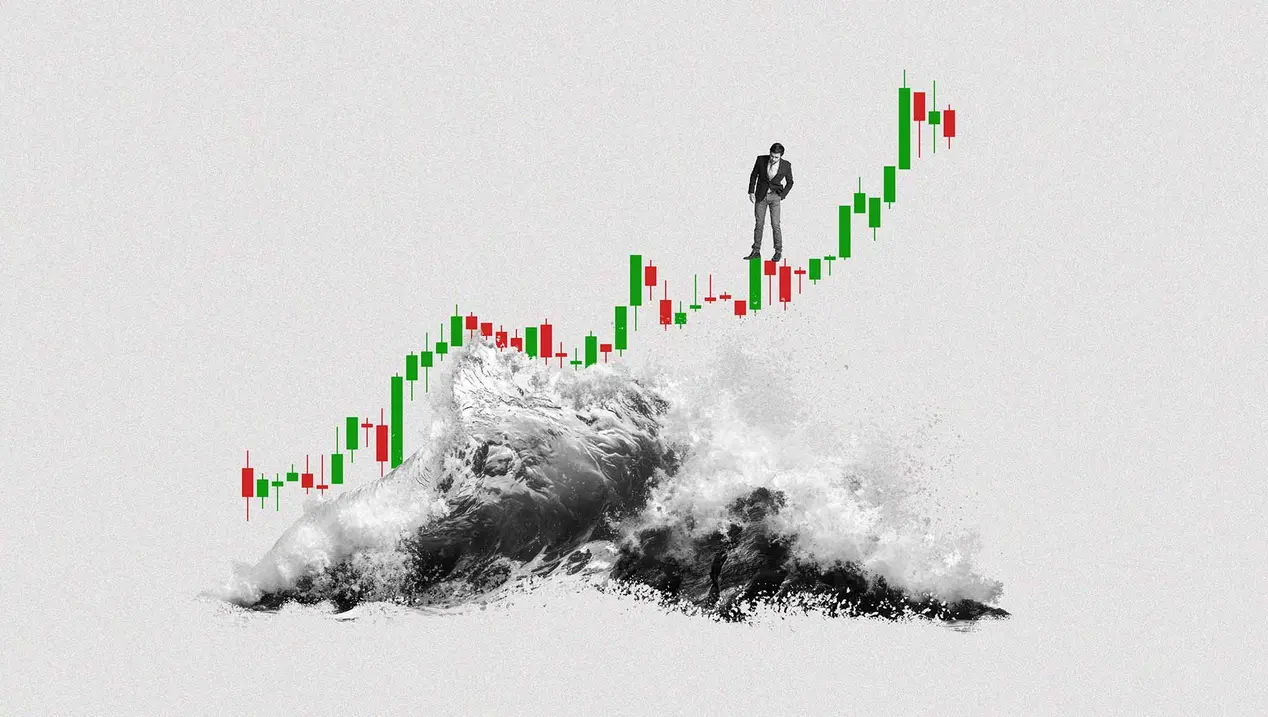
Analysts note that tariffs introduced earlier this year contributed to sharp market reactions, with equities falling nearly 6% after the announcement of new trade measures in April. Those swings have been particularly unsettling for investors nearing retirement, who may have less time to recover from significant losses.
Kelly LaVigne, vice president of consumer insights at Allianz Life, said sudden market fluctuations can be difficult for individuals saving toward long-term goals.
“It can be hard to watch values in accounts that are invested for long-term goals like retirement fluctuate wildly during times of market volatility,” LaVigne said. He emphasized that maintaining a long-term perspective remains important, while also acknowledging the need for stronger risk-management strategies.
Recession fears grow across generations
Concerns about a potential economic downturn are also becoming more widespread. The study found that recession fears extend across age groups, with 67% of Gen Z respondents expressing concern, alongside 63% of Millennials, 64% of Gen Xers, and 61% of Baby Boomers.
Rising anxiety is prompting many investors to reassess their financial strategies. More than half of participants said they have updated their investment risk profiles recently, while a growing number are turning to professional financial advice.
Among respondents who work with advisors, 66% said they have recently consulted or plan to consult with a financial professional, up from 59% in the previous quarter. Experts say this trend reflects a desire for clearer guidance during uncertain economic conditions.
Investors shift strategies amid uncertainty
Market volatility appears to be influencing how Americans approach retirement planning, particularly during what financial planners call the “fragile decade,” the years leading up to and immediately following retirement. During this period, large market swings can have an outsized impact on long-term financial outcomes.
LaVigne noted that incorporating risk-management strategies may help investors navigate unpredictable markets while protecting their portfolios from significant drawdowns.
As trade policy debates continue and economic outlooks remain uncertain, the Allianz Life study suggests that many Americans are becoming more cautious about both investing and spending decisions. The combination of tariff-driven volatility and recession concerns is reshaping financial behavior, underscoring how macroeconomic policy decisions can directly influence personal financial confidence.


0 Comments